

How DTC Brands Use Product Quizzes to Sell (With Examples You Can Copy)

Walk into a good physical store and a knowledgeable salesperson asks you a few questions, then hands you the two products that fit. That short conversation does something powerful. It removes the burden of choosing from a wall of options and replaces it with a confident recommendation. A product quiz is how you recreate that conversation online, and it is one of the reasons so many direct to consumer brands grew fast. Done well, a quiz turns an overwhelmed visitor into a buyer who feels understood.
This is not a repeat of the case for quizzes in general. This post looks at how real categories of DTC brands actually use them, what separates a quiz that sells from one people abandon, and how to build one on your own Shopify store.
The real problem a quiz solves
Choice feels like a feature and behaves like a tax. When a shopper faces twelve serums or twenty shades or a dozen supplement stacks, the abundance does not delight them. It stalls them. Faced with too many options and no clear way to decide, many people decide not to decide, and they leave.
A quiz cuts through that. By asking a few relevant questions, it narrows a large catalog down to the one or two products that fit this specific person. The shopper no longer has to become an expert in your category to buy. They answer a few easy questions and receive a recommendation made for them. That shift, from "figure it out yourself" to "here is what fits you," is the entire value.
There is a second benefit that matters just as much. A quiz collects information about the shopper, their goals, their skin type, their preferences, whatever your questions ask. That data lets you personalize the recommendation and, with consent, follow up with relevant messaging later. The quiz sells in the moment and informs your marketing afterward.
How different DTC categories use quizzes
The best way to design your own quiz is to see how brands in different categories use the format. The patterns repeat because they work.
Skincare and beauty
This is the category most associated with quizzes, for good reason. Skincare is confusing, personal, and full of choices, and buyers are anxious about picking the wrong thing for their skin. A skincare quiz typically asks about skin type, main concerns, sensitivities, and goals, then recommends a routine. The magic is that it reframes a scary decision as a guided one. The shopper stops worrying about choosing wrong because the quiz chose for them based on their answers.
You can copy the structure directly. Ask about the shopper's situation, ask about their goal, ask about any constraints, then recommend a small, specific set of products with a short reason for each.
Supplements and wellness
Supplement brands face the same overload plus a trust problem, since buyers are cautious about what they put in their bodies. A wellness quiz asks about goals, lifestyle, and current habits, then builds a recommended stack. This works because it makes the recommendation feel considered rather than pushed, and because bundling several products into one personalized stack raises the order value naturally. The shopper wanted help deciding, and the quiz gave them a complete answer instead of a single product.
Fashion, fit, and personalization
Apparel and accessories brands use quizzes to solve fit and style uncertainty. A quiz might ask about size, fit preference, style, and occasion, then recommend pieces that match. For products where fit anxiety is the main reason people hesitate or return items, a good quiz reduces both hesitation and returns by steering the shopper to the right choice the first time.
Food, coffee, and taste
Consumable brands use quizzes to match products to taste. A coffee brand might ask about how you brew, how strong you like it, and what flavors you enjoy, then recommend roasts. This lowers the risk a first time buyer feels about ordering something they cannot taste first, which is one of the biggest barriers to a first purchase in this category.
The thread across all of these is the same. The quiz takes a decision the shopper finds hard and makes it easy, personal, and low risk.
What separates a quiz that sells from one people abandon
Not every quiz works. The difference usually comes down to a handful of things.
Keep it short. A quiz that drags on for fifteen questions loses people before the payoff. Most strong quizzes ask a small number of genuinely useful questions, usually somewhere in the range of four to eight. Every question should earn its place by improving the recommendation. If a question does not change what you would recommend, cut it.
Ask questions the shopper finds easy and relevant. Questions about their own situation, goals, and preferences are easy to answer and feel like the quiz is listening. Questions that feel like data harvesting with no benefit to the shopper make people bail. The shopper should feel helped at every step, not interrogated.
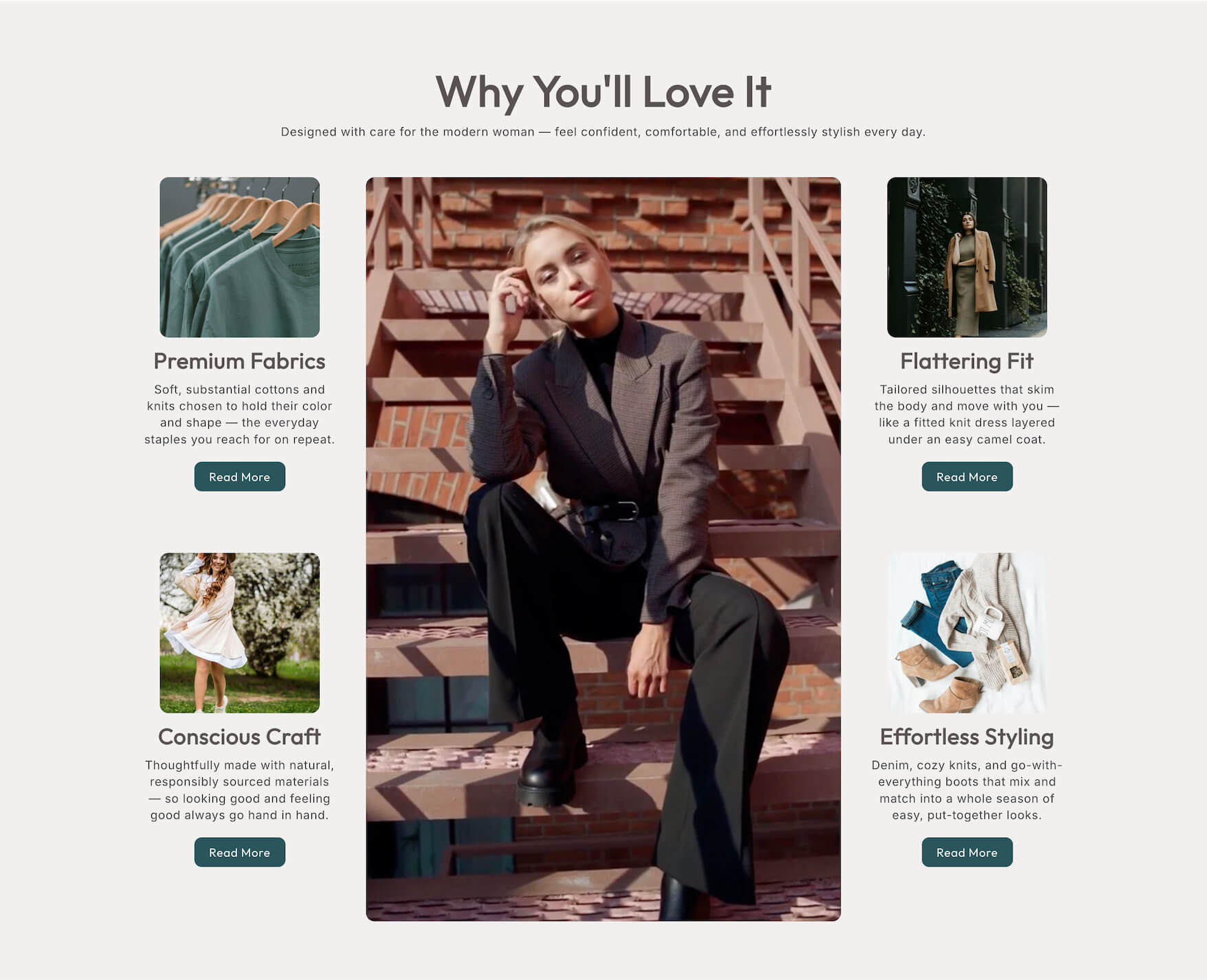
Make the result feel personal and confident. The payoff is the recommendation, so it has to land. Present a specific product or small set, and give a short reason tied to the shopper's answers, something like "based on your answers, here is what fits." Pairing the recommendation with the concrete product benefits of the items reinforces why they fit. A vague or generic result wastes the trust the shopper just extended by taking the quiz.
Make it effortless to buy from the result. The recommendation should lead straight to adding the products to the cart. If the shopper has to go hunt for the recommended items afterward, you have added friction at the exact moment they were ready to act.
Respect the shopper's data. Ask for an email if it makes sense, but be honest about why, and do not hold the result hostage behind a signup wall in a way that feels like a bait and switch. Offering to email the results is fine. Refusing to show them otherwise annoys people.
How to add a product quiz to Shopify
You have a few ways to put a quiz on your store. You could commission a custom build, which is flexible but expensive and adds maintenance. You could install a dedicated quiz app, which works but adds another subscription and another script running on your storefront. Or you can use a native quiz section that installs into your theme and is edited in the standard theme editor.
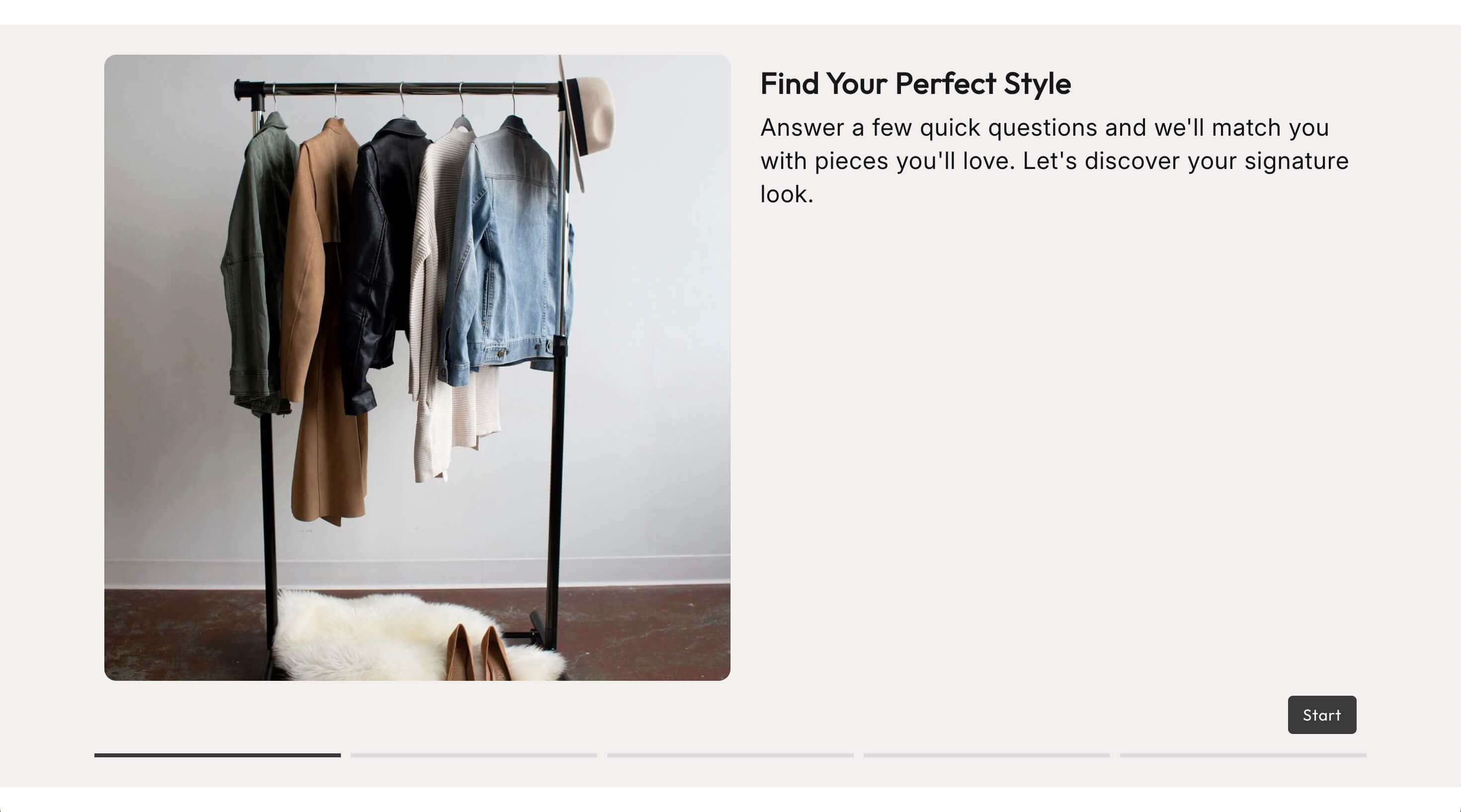
The Abra quiz section takes the native route. You build the questions, map answers to recommendations, and it renders as part of your theme without a separate app layer running on the storefront. For a store that wants the selling power of a quiz without adding to its app load, that is a clean fit.
Whichever route you choose, start simple. Launch a short quiz for your main category or your bestselling line, watch how many people finish it and how many buy from the result, and refine from there. A focused quiz that guides shoppers to your hero products is a better first step than an elaborate one that tries to cover everything.
The takeaway
A product quiz recreates the single most useful thing a great salesperson does, which is turning an overwhelming set of choices into one confident recommendation. DTC brands across skincare, wellness, fashion, and food use the format because it lowers the shopper's anxiety, raises their confidence, and often lifts order value along the way. The quizzes that work are short, relevant, personal in their results, and easy to buy from.
If your catalog is large enough that shoppers might feel lost in it, a quiz is one of the highest impact things you can add. Try the Abra quiz section, or browse the full library on the Shopify App Store to see how it fits with the rest of your store.
Frequently asked questions
How many questions should a product quiz have? Usually four to eight. Long enough to make a genuinely personal recommendation, short enough that people finish. Every question should change what you recommend. If it does not, cut it.
Should a quiz require an email before showing results? Be careful here. Offering to email the results is fine, but hiding the recommendation entirely behind a signup wall feels like a bait and switch and makes people abandon. Show the result, and ask for the email in a way that gives the shopper a reason to share it.
Which products benefit most from a quiz? Categories where shoppers feel overwhelmed or unsure. Skincare, supplements, fashion and fit, and taste based products like coffee all do well, because the quiz turns a hard, personal decision into a confident recommendation.